
Data-Driven Marketing: Turning Customer Insights into Revenue
BUSINESS STRATEGYMARKETING STRATEGYBUSINESS GROWTH
5/7/20251 min read

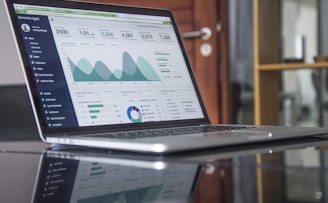
Understanding Data-Driven Marketing
Data-driven marketing is a strategy that relies on data analysis to inform and optimize marketing activities. This approach encompasses the use of customer data, behavioral trends, and predictive analyses to create more personalized marketing experiences. By leveraging data, businesses can gain insights into customer preferences, identifying what resonates with their audience and tailoring their offerings accordingly.
At the core of data-driven marketing is the ability to analyze vast amounts of data collected from various touchpoints, including website interactions, social media engagements, and customer feedback. Through effective analysis, companies can identify patterns in customer behavior, allowing them to make informed decisions that enhance their marketing strategies. Unlike traditional marketing methods, which often depend on assumptions and broad demographics, data-driven marketing enables a more nuanced understanding of individual customers.
Moreover, this modern approach allows businesses to segment their audiences accurately, targeting specific groups with tailored messaging that reflects their unique needs and interests. For example, utilizing analytics to track user interactions can reveal which products are popular among certain demographics. This information can lead to more efficient marketing campaigns that convert potential customers into loyal buyers.
Furthermore, data-driven marketing provides the advantage of measurable results. Businesses can monitor the efficacy of their campaigns in real-time, allowing for adjustments that align with changing customer behaviors. As trends are identified through data analysis, companies can swiftly pivot their marketing efforts to better align with current interests.
In conclusion, understanding data-driven marketing is essential to navigating today’s competitive landscape. By harnessing the power of data, companies can refine their strategies, enhance customer experiences, and ultimately drive greater revenue growth.
Collecting and Analyzing Customer Data
In the realm of data-driven marketing, the collection and analysis of customer data play a pivotal role in informing business strategies and enhancing customer engagement. Various methods are employed to gather valuable customer insights, including surveys, social media analytics, website interactions, and Customer Relationship Management (CRM) systems. Each method offers unique advantages, allowing businesses to obtain both qualitative and quantitative data essential for crafting targeted marketing initiatives.
Surveys, for example, serve as a vital tool for acquiring direct feedback on customer preferences, behaviors, and satisfaction levels. They can be conducted online or in-person, providing opportunities to capture nuanced responses that enrich the understanding of consumer sentiment. Social media analytics, on the other hand, provide a broader view of customer engagement, allowing marketers to gauge brand perception and the effectiveness of communication strategies on various platforms.
Website interactions also yield a wealth of data through tools such as Google Analytics, which track user behavior, conversion rates, and points of abandonment. This quantitative data allows businesses to assess their online performance and make informed decisions about website optimizations. Meanwhile, CRM systems aggregate customer information from multiple channels, offering a comprehensive view of interactions, preferences, and historical data that can facilitate personalized marketing efforts.
However, while collecting data is essential, it is also crucial to address privacy and ethical considerations. Ensuring that customer data is collected transparently and with consent builds trust and fosters a positive brand relationship. Companies should adhere to data protection regulations, such as GDPR, to safeguard personal information and mitigate risks associated with data breaches.
Once data is collected, analyzing it effectively is paramount for drawing actionable insights. Leveraging data visualization tools and analytical frameworks can help marketers identify trends and patterns, ultimately guiding strategic decisions that enhance customer targeting and increase revenue.
Transforming Insights into Actionable Strategies
In the realm of data-driven marketing, the ability to translate consumer insights into actionable strategies is paramount for success. Marketers who skillfully analyze consumer data can personalize their campaigns, thereby increasing their effectiveness and enhancing customer engagement. Personalization involves tailoring marketing efforts, such as email campaigns, product recommendations, and digital advertisements, to meet the unique preferences and behaviors of individual customers. For instance, a retailer might utilize past purchasing data to suggest complementary products, effectively enhancing the shopping experience while driving additional sales.
Another critical aspect is improving customer segmentation. By leveraging data analytics, marketers can define more precise customer segments based on various attributes such as demographics, purchasing patterns, and engagement history. This refined segmentation enables companies to target their messaging more accurately, ensuring that the content resonates with the intended audience. A prominent example can be observed in the travel industry, where companies utilize demographic data and travel preferences to craft personalized travel packages, significantly increasing conversion rates.
Moreover, optimizing pricing strategies through consumer insights can lead to substantial revenue gains. By analyzing data on customer price sensitivity and market trends, businesses can implement dynamic pricing models that adapt to changes in supply and demand. For instance, an e-commerce platform might adjust prices in real-time based on customer browsing behavior and competitor pricing, which not only boosts sales but also enhances customer satisfaction.
Several companies have successfully harnessed the power of data-driven strategies, showcasing the direct correlation between insights and revenue growth. One notable case is a leading online streaming service that utilized viewer behavior data to recommend content, resulting in increased viewer retention and subscription renewals. By effectively translating data insights into tailored marketing strategies, organizations can achieve significant business outcomes and strengthen their market position.
Measuring Success and ROI in Data-Driven Marketing
Measuring the success of data-driven marketing efforts is an intricate process that requires a strategic approach often anchored in key performance indicators (KPIs). These metrics serve as benchmarks, enabling organizations to evaluate the effectiveness of their marketing campaigns and determine the impact on revenue generation. Commonly utilized KPIs include customer acquisition cost (CAC), lifetime value (LTV), conversion rates, and return on investment (ROI), each offering insights into different facets of campaign performance and customer engagement.
The customer acquisition cost illustrates the amount spent to attract a new customer, while lifetime value refers to the total revenue expected from a customer throughout their relationship with the business. Monitoring these metrics allows businesses to ascertain whether their marketing strategies yield profits or necessitate adjustments. Conversion rates, which measure the percentage of users who complete desired actions, provide additional clarity into marketing effectiveness, helping identify which strategies resonate most with target audiences.
ROI, one of the most critical metrics in assessing the value of data-driven marketing initiatives, is calculated by dividing the net profit by the total costs associated with the marketing campaign. This ratio is crucial for understanding the financial return generated from marketing investments. Focusing on ROI encourages businesses to prioritize strategies that yield measurable success, thus fostering a more disciplined approach to budgeting and resource allocation.
Continuous monitoring and evaluation of these performance metrics are essential. The landscape of digital marketing is ever-evolving, and as such, companies must remain agile. Utilizing analytics tools to track performance in real-time allows for prompt adjustments to strategies, optimizing success rates over time. Embracing a data-centric approach not only amplifies immediate gains but also cultivates long-term sustainable growth, as organizations develop a nuanced understanding of their customer base and market dynamics.
Powered By Asia Influencer X
Grow Your Business